Payment Methods That Increase Your Revenue: The 2026 Guide
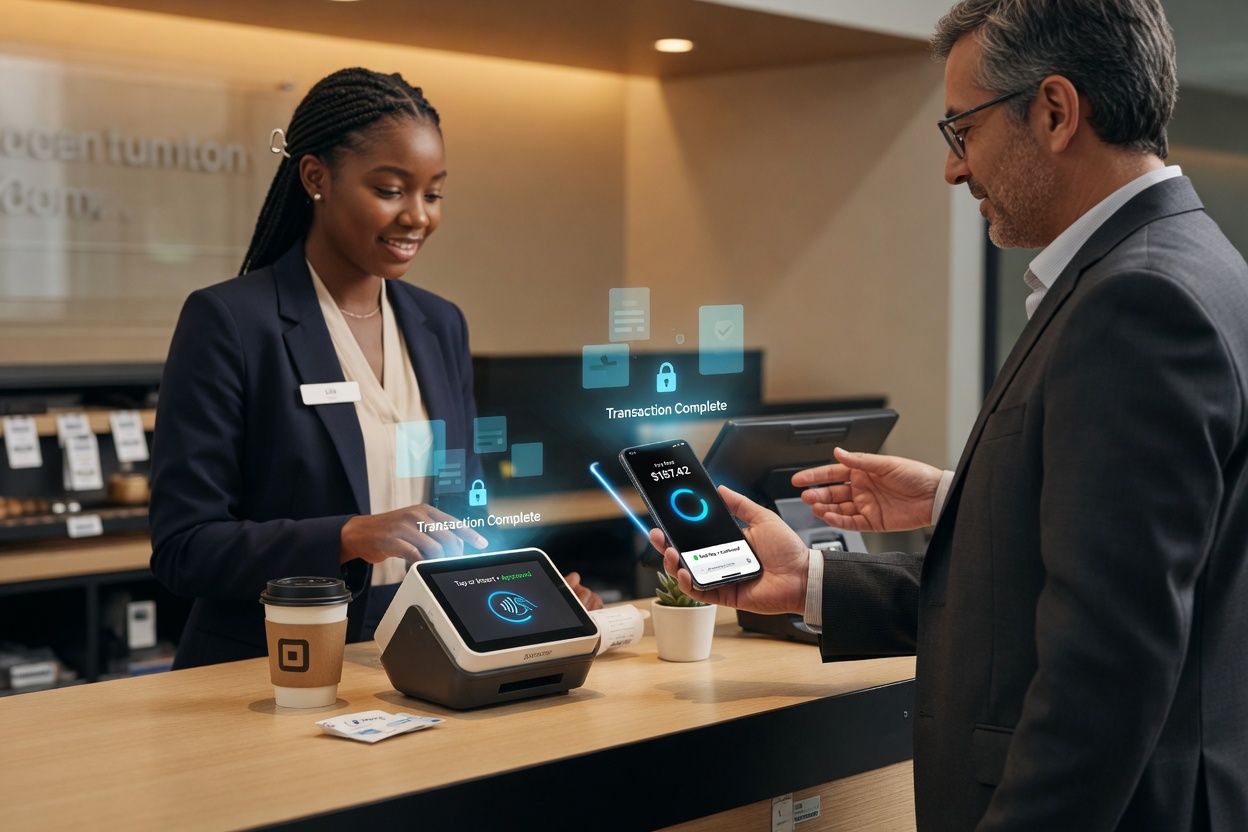
The problem you can't see: you lose sales at the last step
The number is brutal: 70% of online carts are abandoned before the purchase is completed. And the main cause isn't the price or shipping - it's friction at checkout.
Your customer has decided to buy. They've picked a product, weighed their options, reached the checkout. And there they leave. Because they can't find their preferred payment method, because the form asks for too much, because they don't trust the gateway, or simply because they want to pay from their phone in two taps and your site won't let them.
Every sale lost at checkout is money that was already in your hand. This isn't a marketing problem or a product problem. It's a payments-infrastructure problem.
The payment methods that matter in Spain in 2026
Not all methods are equal, and no single one fits every business. Here's a snapshot of the Spanish market today, with real usage and conversion data.
Credit and debit cards: the essential standard
Cards are still the most widely used method in Spanish ecommerce. Visa and Mastercard dominate, with American Express growing in premium segments. If you only accept one method, make it a card.
- Fees: 0.3%–1.5% per transaction (domestic), up to 3–5% on international cards.
- Pro: universal, handles purchases of any amount, buyer protection.
- Con: the customer has to type 16 digits, an expiry date and a CVV - every field is another chance to lose them.
- 2026 key: 3D Secure 2 (3DS2) authentication meets PSD2 without adding friction. Make sure your gateway has it switched on.
Bizum: the king of mobile payments in Spain
Bizum isn't just another option - it's the method Spanish shoppers expect to find. An instant direct transfer, no card number, no CVV, no friction. Buy in two taps from your phone.
- Fees: €0.10–0.40 per transaction (far cheaper than cards on low amounts).
- Pro: instant, secure, no bank details shared. Ideal for B2C and low-to-mid-value purchases.
- Con: limited to the Spanish market, not reversible, capped per transaction (up to €1,000 depending on the bank).
- Who it's for: any business selling to consumers in Spain. If you don't offer Bizum, you're leaving money on the table.
Digital wallets: Apple Pay, Google Pay, Samsung Pay
39% of Spaniards see digital wallets as the future of payments. And they're right: customers link their card once, then pay with a tap - fingerprint, Face ID, no typing.
- Fees: the same as the linked card (no extra cost).
- Pro: lightning-fast checkout, maximum security (tokenization), ideal on mobile.
- Con: needs a compatible device, and not every customer has one set up.
- Real impact: wallets can lift mobile conversion by up to 50% compared with manual card entry.
Buy now, pay later (BNPL): Klarna, PayPal Pay Later, Clearpay
BNPL lets customers get the product now and pay in installments - typically 3 or 4 interest-free payments. As the seller, you're paid in full immediately (minus the provider's fee).
- Fees: 2–8% per transaction (the highest of any method).
- Pro: lifts the average order value by 20–30%, softens the psychological sting of spending, ideal for high-ticket items.
- Con: steep fees, and it can attract customers with less ability to pay.
- Who it's for: products over €75 - fashion, electronics, furniture, expensive professional services.
Payment links: sell over WhatsApp, email or social
A payment link is a secure URL you send over whatever channel the customer prefers - WhatsApp, email, Instagram, SMS. They open it, pay with their preferred method, and done. No website, no online store, no friction.
- Fees: the standard fees for the method chosen.
- Pro: closes sales inside real conversations, ideal for quotes, custom orders and social selling.
- Con: it isn't self-service - someone has to generate and send the link.
- Who it's for: professional services, B2B, consultative selling, businesses with a recurring client base.
Bank transfer: the B2B method
In B2B and high-value purchases, bank transfer is still relevant. Secure, with low fees (especially within SEPA), but slow: 1–5 days unless you use an instant transfer.
- Fees: low within the EU, variable outside it.
- Pro: no amount cap, direct traceability, preferred in established B2B relationships.
- Con: slow, needs manual action from the customer, no good for driving fast conversions.
Automatic payments and subscriptions: recurring revenue
If your business has a recurring component - memberships, fees, monthly services - automatic payments (SEPA direct debit or recurring card charges) stop customers falling off because they forgot to pay, and stabilise your billing.
- Fees: those of the base method (card or direct debit).
- Pro: automatic retention, predictable revenue, customers never have to remember to pay.
- Con: some customers distrust automatic charges. Transparency and easy cancellation are key.
Quick comparison: which payment method suits your business
| Method | Fee | Speed | Best for |
|---|---|---|---|
| Credit/debit card | 0.3–1.5% | 1–3 days | General ecommerce, any amount |
| Bizum | €0.10–0.40 | Instant | B2C in Spain, purchases <€1,000 |
| Apple/Google Pay | Same as card | 1–3 days | Mobile checkout, fast conversion |
| BNPL (Klarna, etc.) | 2–8% | Instant to seller | Products >€75, high order value |
| Payment link | Depends on method | Fast | WhatsApp, quotes, social selling |
| Bank transfer | Low | 1–5 days | B2B, large amounts |
| Automatic payment | Depends on method | Recurring | Subscriptions, memberships |
The 3 checkout mistakes that kill your conversion
Mistake 1: offering only a card (or only one method)
It's the most common mistake among Spanish small businesses. "My site accepts Visa and Mastercard - what more do they want?" What they want is to pay however suits them best. If your customer prefers Bizum and can't find it, they leave. If they want to pay in three installments and can't, they leave. Every method you don't offer is a customer you lose.
Mistake 2: overwhelming them with too many options
The opposite extreme is just as bad. A checkout with 15 payment methods causes paralysis. The customer can't decide and abandons. The rule: offer 4–6 methods relevant to your audience. Prioritize by niche: if you sell to consumers in Spain, card + Bizum + wallet + BNPL covers 95% of cases.
Mistake 3: hiding the security
Customers have to know it's safe to pay on your site. SSL and a certified gateway aren't enough - you have to show it. Recognized gateway logos, security badges, clear data-protection messaging. Trust is either visible or it isn't. And if they can't see it, they don't buy.
How to pick your ideal payment mix
There's no one-size-fits-all combination. It depends on three factors:
- Your customer: consumer or business? Buying from mobile or desktop? Average order high or low?
- Your product: physical or digital? Fixed price or custom quote? One-off or recurring?
- Your channel: do you sell on your site, in person, over WhatsApp, on marketplaces?
Recommended setup by business type:
If you also want to automate payment reconciliation and invoice generation, compare the best automation tools for small businesses.
- General B2C ecommerce: Card + Bizum + Apple/Google Pay + BNPL
- Professional services / B2B: Card + Bank transfer + Payment link
- Subscriptions / memberships: Card + Automatic payment (direct debit)
- WhatsApp / social selling: Payment link + Bizum + Card
- Premium products (>€200): Card + BNPL + Bizum + Bank transfer
The number that changes everything: payments as business intelligence
In 2026, payment methods aren't just a way to get paid - they're a source of business intelligence. Every transaction generates data: average order value by method, peak shopping hours, conversion rate by device, recurrence by customer type.
Businesses that analyse this data make real decisions: they tune prices around preferred methods, optimise inventory by category, size their team for demand peaks, and design campaigns around real behaviour - not guesses.
Payment stops being the end of the process and becomes the center of the strategy.
VeriFactu: the regulation forcing you to modernise your billing
From 2027, VeriFactu will be mandatory for all merchants and professionals in Spain. It requires every invoice to be logged in real time with full traceability for the tax authority (Hacienda). Full VeriFactu guide for freelancers and small businesses.
Businesses that combine payment and invoicing in one system - where a payment automatically produces the valid receipt - comply effortlessly, eliminate manual errors, simplify accounting, and give customers a smoother payment experience.
If you still invoice by hand or with systems disconnected from billing, modernising isn't optional - it's urgent.
Painless implementation: how to get started
You don't need to rebuild your site or switch platforms. Most modern gateways integrate in hours, not weeks:
- Audit your current checkout: How many methods do you offer? What's your abandonment rate? What do customers ask for?
- Pick a gateway that supports multiple methods: Stripe, Redsys, PAYCOMET and similar let you switch on Bizum, wallets and BNPL from the same dashboard.
- Turn on the 3 minimum methods: Card + Bizum + a wallet (Apple Pay or Google Pay). That covers 80% of preferences.
- Add BNPL if your average order value is over €75.
- Show visible security: gateway logos, SSL, trust messages next to the pay button.
- Measure and adjust: review conversion by method every month and adapt.
Is your checkout losing sales?
Auditing your payment gateway and switching on the methods your customers expect is one of the highest-ROI moves you can make. No rebuild, no big investment - just turning on what's already there.
I want to improve my payments →